• About us
    • About APFNet
    • Governance
  • Policy dialogue
    • High-level dialogue mechanism
    • Forestry Planning Network (FPN)
    • APFNet Transboundary Wildlife Conservation Initiative (@Wild)
    • Trainers in Forestry (TIF) Network
    • Asia-Pacific Forestry Education Coordination Mechanism (AP-FECM)
    • Sino–ASEAN Network of Forestry Research Institutes (SANFRI)
  • Projects
    • GFN Program
    • Project Lists
    • Project application
    • Management and evaluation regulations
  • Capacity building
    • Scholarship programme
    • Forestry training
  • Information sharing
    • Publications
    • Photos
    • Videos
    • News
    • Guidelines
    • Asia-Pacific forestry information
    • Scientific paper

EN中文   

  • Home (current)
  • About us
    • About APFNet
    • Governance
  • Policy dialogue
    • High-level dialogue mechanism
    • Forestry Planning Network (FPN)
    • APFNet Transboundary Wildlife Conservation Initiative (@Wild)
    • Trainers in Forestry (TIF) Network
    • Asia-Pacific Forestry Education Coordination Mechanism (AP-FECM)
    • Sino–ASEAN Network of Forestry Research Institutes (SANFRI)
  • Projects
    • GFN Program
    • Project Lists
    • Project application
    • Management and evaluation regulations
  • Capacity building
    • Scholarship programme
    • Forestry training
  • Information sharing
    • Publications
    • Photos
    • Videos
    • News
    • Guidelines
    • Asia-Pacific forestry information
    • Scientific paper

Search

News

  1. 首页
  2. Home
  3. Information sharing
  4. News
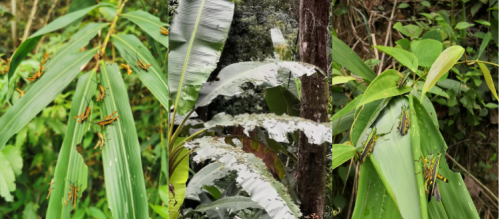
Fighting the bamboo locust plague in Southern China and beyond

Fighting the bamboo locust plague in Southern China and beyond

The bamboo locust (Ceracris kiangsu) is a common leaf-eating insect distributed in tropical rainforests. It was not regarded as a significant economic problem previously because...

16 Sep 2020

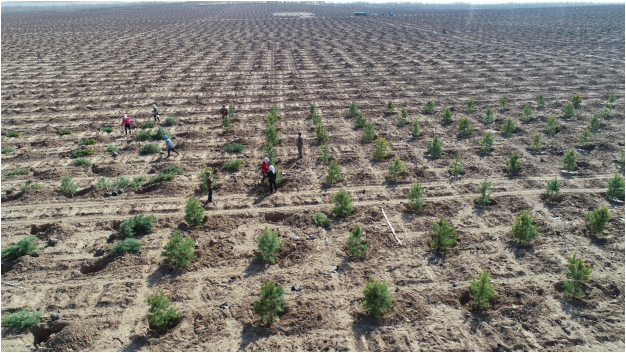
2020: APFNet restores and rehabilitates 230 ha in Horqin Sandy Land

2020: APFNet restores and rehabilitates 230 ha in Horqin Sandy Land

Despite the ongoing COVID-19 pandemic, APFNet continues to fight the impacts of dust storms or the ‘yellow dragon’ in Horqin Sandy Land, Inner Mongolia Autonomous...

16 Sep 2020

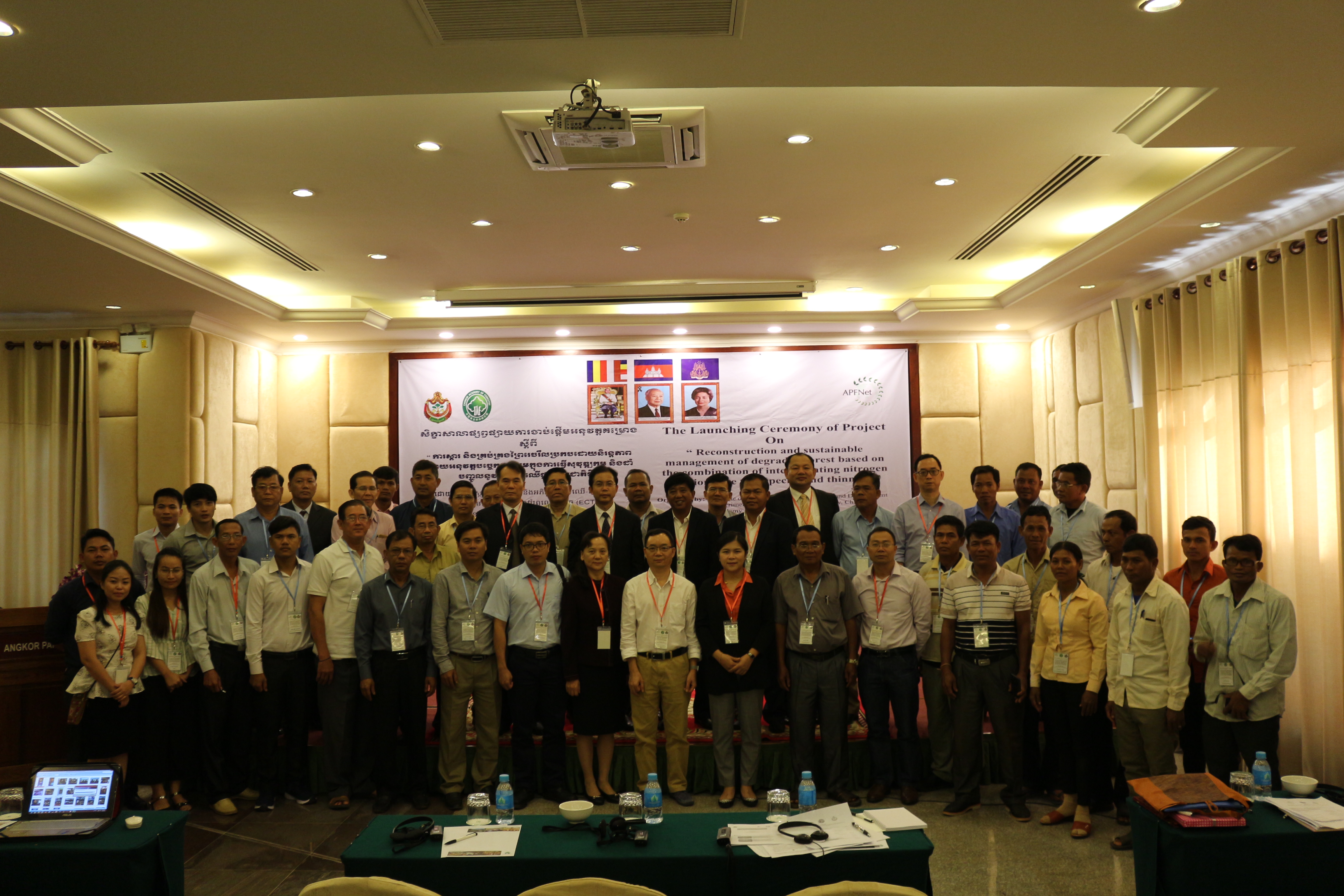
Introducing New Methodology to Restore Degraded Forest by Using Nitrogen Fixation Rare Tree Species in Cambodia

Introducing New Methodology to Restore Degraded Forest by Using...

20 December 2018, APFNet in collaboration with the Experimental Center of Tropical Forestry (ECTF) of Chinese Academy of Forestry, and the Institute of Forest and Wildlife...

26 Dec 2018

APFNet Contributes to Beijing Water Source Protection: Positive Feedback on a Terminal Evaluation of Rehabilitation and Management of Degraded Forests in Miyun Reservoir Watershed, Beijing [2015P2-MY]

APFNet Contributes to Beijing Water Source Protection: Positive...

Beijing, China’s capital located in the dry Northeast of the country, is a mega-city in the true sense: it has managed to draw millions of people and is still rapidly...

29 Oct 2018

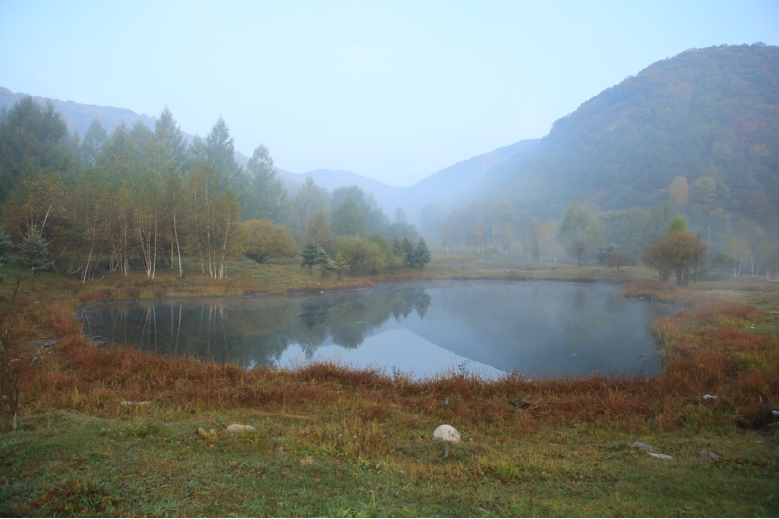
Breathing in the Forest in Northern China

Breathing in the Forest in Northern China

Fig. 1 A misty morning at Wangyedian, Inner Mongolia Fall. Some say it’s the most beautiful season in northern China. As the leaves turn from green to hues of yellow...

18 Oct 2018

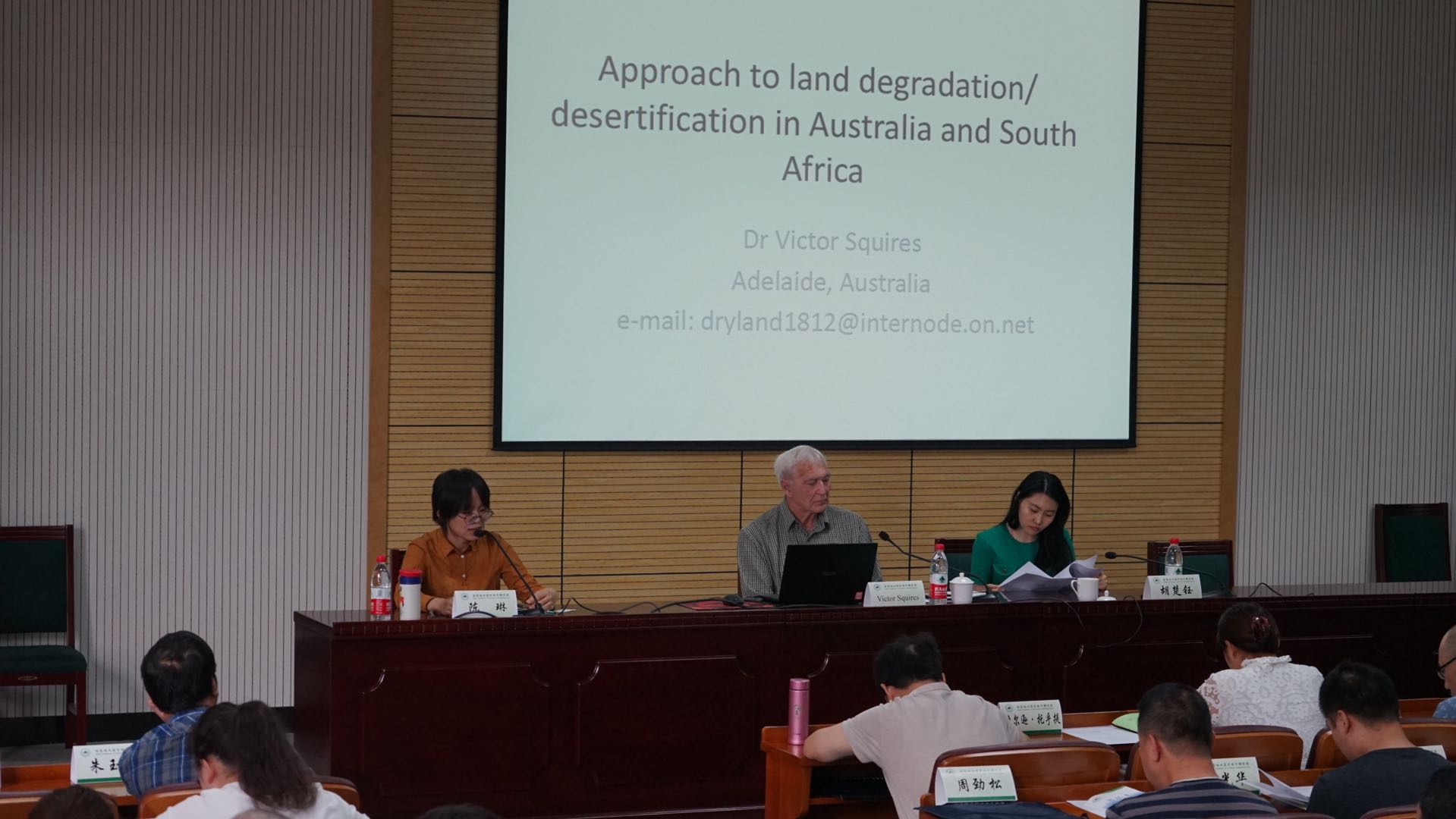
APFNet helped Chinese forestry officers better understand land degradation and desertification

APFNet helped Chinese forestry officers better understand land...

During 18-20 September 2018, APFNet organized a training for forestry officers in China on land degradation and combating desertification in collaboration with China's National...

08 Oct 2018

  • First
  • ◀ Previous
  • 20
  • 21
  • 22
  • 23
  • 24
  • Next ▶
  • Last

Contact us

Asia-Pacific Network for Sustainable Forest Management and Rehabilitation

Copyright © 2020. 京ICP备17062872号-1

Address: 6th Floor Building A, Baoneng Center, 12 Futong Dongdajie, Chaoyang, Beijing 100102, P.R. China


Telephone: +86-10-8471 4523

Fax: +86-10-8421 6958

Email: apfnet@apfnet.cn

WeChat

WeChat

   
The information contained in APFNet website does not imply the expression of any opinion whatsoever concerning the legal or development status of any economy, territory, city or area or of its authorities, or concerning the delimitation of its frontiers and boundaries.